

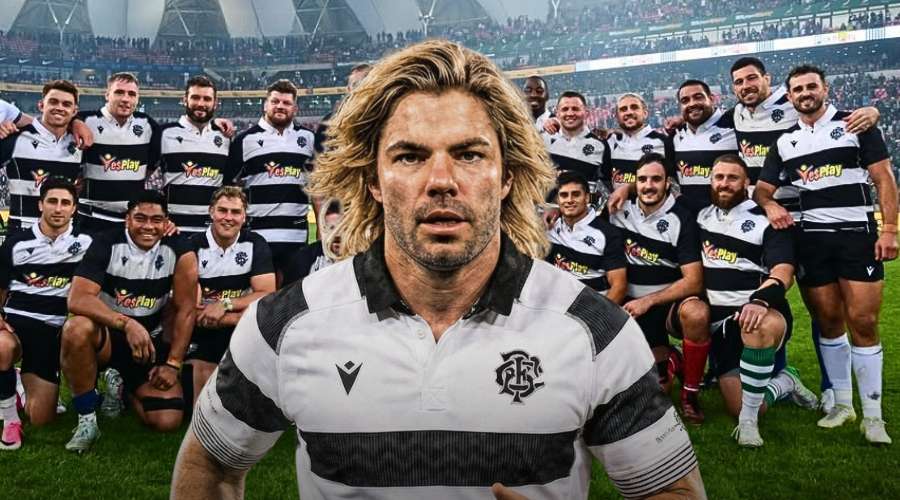
A week after coming off the Springbok bench in Port Elizabeth, Faf de Klerk has been handed the captain’s armband for the Barbarians. The scrum-half will lead one of rugby’s most storied invitational sides when they face Wales this Saturday at Allianz Stadium, Twickenham—a role that carries genuine weight in the sport’s calendar, even outside Test rugby.
Faf de Klerk replaces TJ Perenara and inherits a squad stacked with international pedigree. Nineteen players with Test caps from 11 different nations make up the Barbarians’ lineup. That’s not depth—that’s a collection of players any nation would build around.
Fellow Springbok Vincent Koch anchors the front row at tighthead, while South African midfielder Jeremy Ward slots in at 12. The backline features New Zealand fly-half Harry Plummer, wallabies pair Lukhan Salakaia-Loto and Izack Rodda in the pack, and a French contingent led by lock Romain Taofifénua.
The speed of the turnaround matters. De Klerk played for South Africa against these exact players seven days ago. He came off the bench, made an impact, scored a try in an 80-31 Springbok victory, and then within days accepted the captaincy of the opposition. There’s something undeniably appealing about that rhythm—the athlete moving seamlessly between different rugby contexts, trusted by different coaches to lead different teams in the same week.
Scott Robertson, the former All Blacks head coach now in charge of the Barbarians, was clear about why Faf de Klerk earned the role. “Faf is such a fierce competitor,” Robertson said. “He knows how to run a week, so he is driving the boys but he also fully embraces the Barbarian spirit and hits the right balance.”
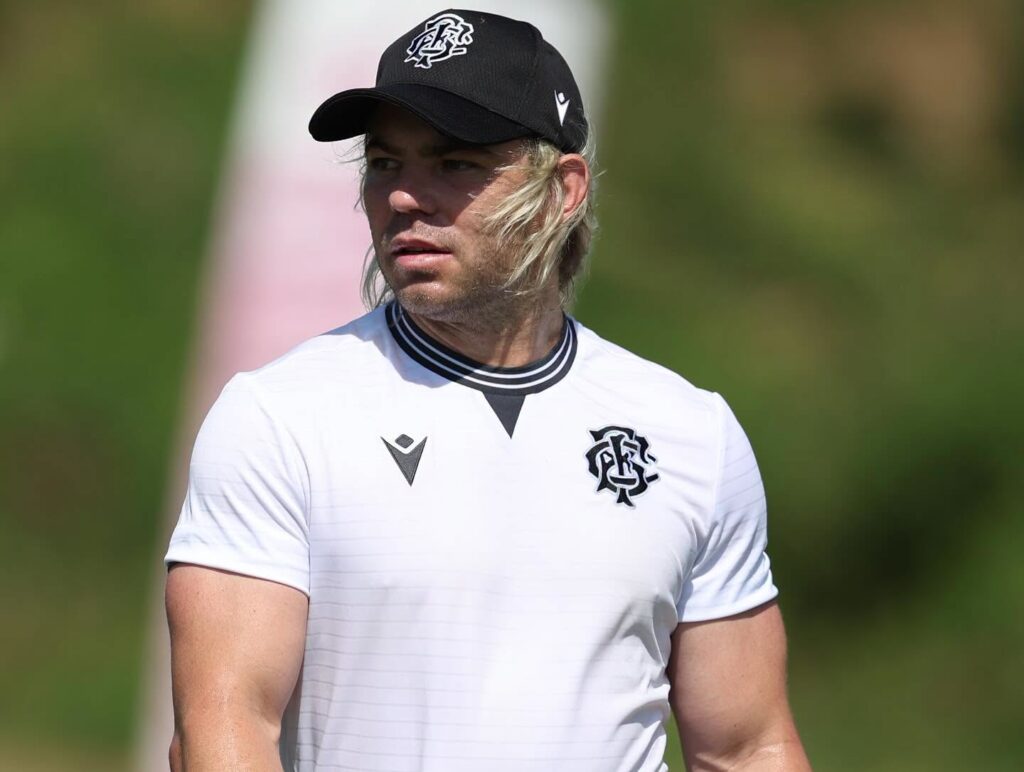
That balance is what separates captaincy of the Barbarians from captaincy of a national team. The invitational side exists to entertain, to move the ball, to give world-class players a platform outside the rigidity of Test rugby. But they also exist to win. Faf De Klerk has to hold both truths at once—competitive intensity tempered by the freedom the Barbarians represent.
JAY | JPS SAYS: “Faf stepping into this role isn’t just a fixture detail. It’s a recognition that this squad needed a leader who could command respect from players he’s never trained with before, and who understands how to manage egos and different rugby cultures in the space of one week. The Barbarians don’t hand out captaincies lightly.”
The Wales match itself arrives at an interesting moment. Wales is in transition—new captain in hooker Dewi Lake, new coaching staff finding its feet, and the shadow of George North’s retirement looming. North, who won 121 Test caps for Wales, lines up on the Barbarians bench for what will be the final professional appearance of his career. The poignancy of that is real, but it belongs to Wales’ story more than it does to De Klerk’s.
For the South African scrum-half, this week is about doing what he does best: controlling the game, setting the tempo, demanding precision from a collection of players who’ve never quite played together before. The Barbarians won’t have the connective tissue of a settled national team. They’ll have talent, experience, and Robertson’s instructions. Faf De Klerk’s job is to turn that into rugby that flows.
The fact that he’s trusted to do it, a week after playing for South Africa, speaks volumes about his standing in the game right now. The Barbarians captaincy is not a consolation prize. It’s one of the oldest and most respected invitational honours in rugby. Faf de Klerk has been chosen for it, and he’ll carry it to Twickenham on Saturday morning.
📸 Images via Barbarian FC